
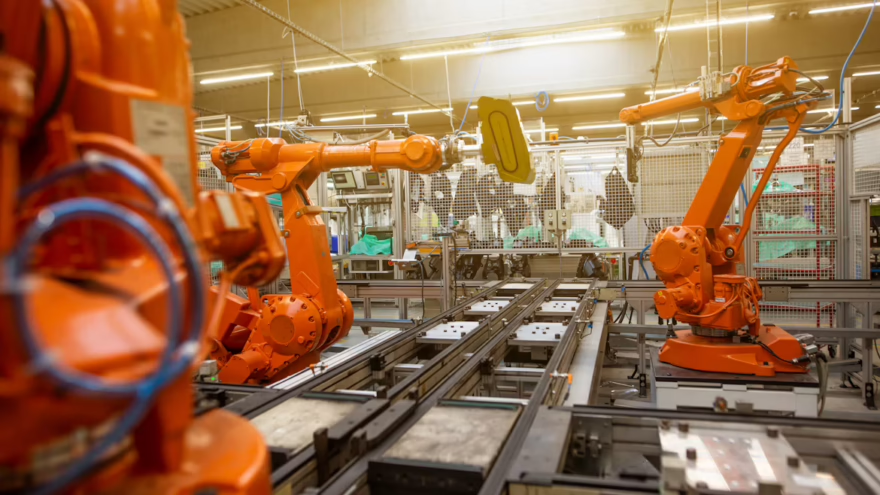
In the span of a single generation, China transformed itself into the world’s manufacturing powerhouse. From electronics and consumer goods to electric vehicles, batteries, and solar technology, its extraordinary production capacity has reshaped global trade. But as international markets become increasingly resistant to Chinese exports, a critical question emerges: Who will buy everything China produces?
China’s economic model has long depended on strong global demand. Today, rising trade barriers, shifting supply chains, and growing geopolitical tensions are challenging that model. At the same time, weak domestic consumption, a struggling property market, and demographic decline are making it increasingly difficult for China to rely on its own consumers.
Key themes explored include:
- China’s export-driven economy: How decades of manufacturing expansion created a global industrial powerhouse increasingly dependent on international demand.
- Growing trade resistance: Why tariffs, trade restrictions, and concerns over strategic industries are reshaping China’s relationships with the United States, Europe, and other markets.
- The electric vehicle industry: How China’s rapid expansion in EV manufacturing illustrates both the strengths and risks of excess production capacity.
- Weak domestic consumption: Why limited social protections, high household savings, and an ongoing property downturn are preventing Chinese consumers from absorbing the country’s industrial output.
- Demographic challenges: How a shrinking and aging population could further constrain domestic demand and long-term economic growth.
- Implications for global markets: How changing trade relationships and supply chains could influence inflation, borrowing costs, and investment opportunities worldwide.
Beyond China’s economic challenges, October’s market developments highlight the continued influence of AI-related investment concerns, inflation, Federal Reserve policy, geopolitical tensions, and shifting investor sentiment.
Ultimately, China’s experience illustrates a broader economic reality: manufacturing strength alone may not guarantee sustainable growth when domestic demand cannot keep pace with production and global markets become less willing to absorb the surplus.
For the full analysis, charts, and October 2026 market data: Read the Full Market Commentary (PDF)
